← All women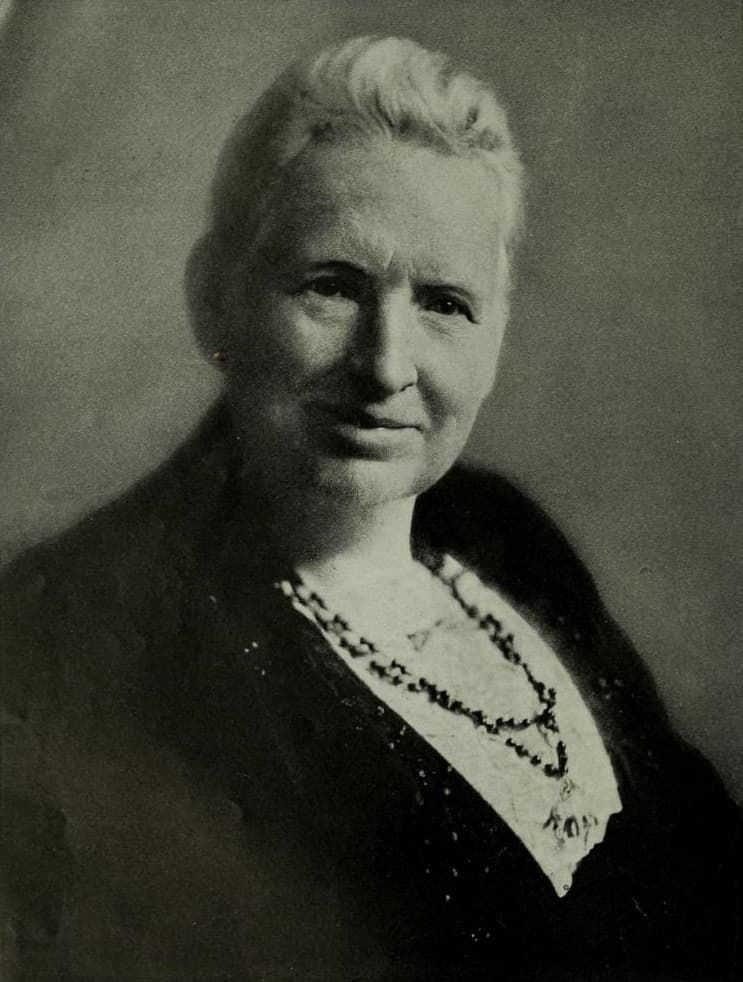
American · Politics · Activism
Alice Mary Robertson
January 2, 1854 – July 1, 1931
Early Life and Background
Alice Mary Robertson was born on January 2, 1854, in Tullahassee Mission, Indian Territory—now part of Oklahoma. She was the daughter of missionaries William S. Robertson and Ann Eliza Worcester Robertson. Growing up in an environment dedicated to education and service, Robertson was deeply influenced by her parents' work among Native Americans, which profoundly shaped her own career path.
Alice attended Elmira College in New York, one of the few institutions that allowed women at the time, graduating in 1873. Her educational background laid a solid foundation for her subsequent work in education, social services, and politics.
Career Beginnings and Development
Alice Robertson returned to Indian Territory, where she worked initially as a schoolteacher, aligning with her lifelong commitment to education. Her career took a significant turn when she joined the Department of the Interior as a clerk, offering her a unique perspective on federal Indian policy and the bureaucratic workings of the government.
In 1889, Robertson founded the Minerva Home, a school for Creek girls, in Muskogee, Indian Territory. This institution not only provided education but also sought to promote social welfare and empower young Native American women, mirroring the mission-driven approach of her parents.
Major Works and Accomplishments
Robertson's most notable political achievement came in 1920 when she ran as a Republican and was elected to the U.S. House of Representatives for the 2nd District of Oklahoma. Her election was historic as she became the first woman from Oklahoma and the second woman ever to serve in Congress after Jeannette Rankin. Her tenure was marked by her advocacy for veterans and her staunch opposition to the League of Nations.
During her congressional term, Robertson was known for breaking with traditional gender roles, often being a vocal opponent of women's suffrage, reflecting her complex and sometimes contradictory political stance.
Awards, Honors, and Recognition
Robertson was a pioneering figure, although she did not receive specific awards during her lifetime as public recognition for women in politics was not widespread during her era. Her contributions were more significantly recognized posthumously, and she remains a celebrated figure in Oklahoma.
Personal Life
Robertson never married, dedicating her life to public service and causes she championed. Her personal life was largely an extension of her professional work, deeply intertwined with her advocacy for Native American rights and women's education.
Legacy and Historical Impact
Alice Mary Robertson left a lasting legacy as a trailblazer for women in American politics. Her time in office set a precedent for future generations of women seeking political office, while her advocacy for Native American rights and social welfare initiatives emphasized the importance of passion-driven public service.
Her role as one of the first female lawmakers highlighted the potential for women to engage directly in governmental processes, contributing to the incremental societal shift toward gender equality in political representation.
Later Life and Death
Following her congressional service, Robertson continued her work in education and social services until her death. She passed away on July 1, 1931, in Muskogee, Oklahoma. Her influential life and dedicated service left a legacy that continued to inspire political and social reform long after her passing.
Dated achievements
2 indexed.
- Jan021854Politics
Birth of Alice Mary Robertson
Alice Mary Robertson was born on January 2, 1854, in Tullahassee Mission, Indian Territory.
View details Alice Mary Robertson - Wikipedia - Jul011931Politics
Death of Alice Mary Robertson
Alice Mary Robertson died on July 1, 1931, in Muskogee, Oklahoma.