← All women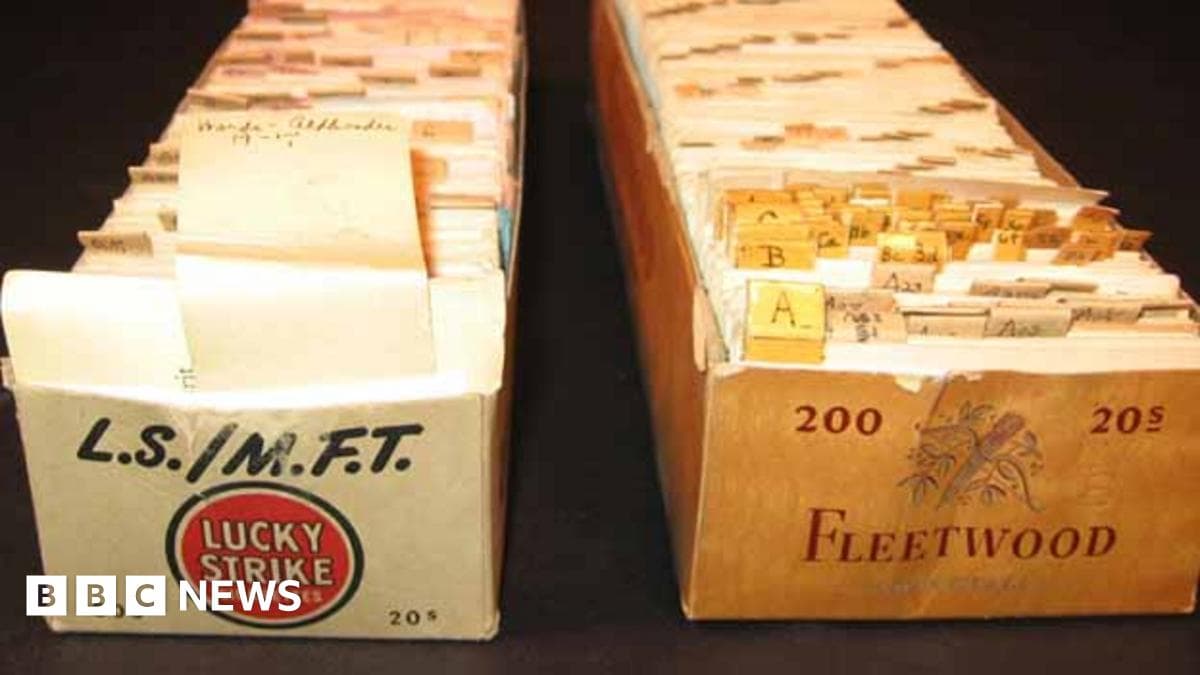
American · Science
Alice Kober
December 23, 1906 – May 16, 1950
Early Life and Background
Alice Elizabeth Kober was born on December 23, 1906, in New York City. Her family was of Hungarian descent, which provided her with a rich cultural background that might have fueled her interest in antiquity. Kober received her early education in New York, exhibiting a penchant for languages from a young age.
She attended Hunter College, where she earned her Bachelor of Arts degree in 1928. This was followed by a Master’s degree at Columbia University in 1929, and she completed her Ph.D. in Classics at the same institution in 1932. Kober was influenced by leading linguists and classicists of her time, which shaped her pursuit of understanding ancient languages.
Career Beginnings and Development
After completing her education, Kober began her career in academics as an instructor at Hunter College, where she would eventually rise to the rank of associate professor. She worked tirelessly, balancing teaching duties with her research. Her early work focused on the study of ancient scripts, which was a particularly male-dominated field at the time.
Major Works, Discoveries, or Accomplishments
During the late 1930s and 1940s, Kober became fascinated with the undeciphered script known as Linear B. Her meticulous scholarship included assembling information on the script from various sources and conducting detailed analyses of its structure. Kober created a comprehensive database of script tables, which helped categorize symbols and detect patterns that hinted at a potentially syllabic nature of the script.
Kober's work was revolutionary in showing that Linear B was an inflected language, a realization that significantly aided in later decipherments. Although she did not live to see it fully decoded, her work paved the way for Michael Ventris, who ultimately deciphered the script in 1952.
Awards, Honors, and Recognition
Despite the lack of major awards during her lifetime, largely due to her untimely death and the gender barriers of her era, Kober’s legacy is celebrated by classicists and linguists today. Her contributions are credited as essential in the decipherment of one of the ancient world's most significant linguistic puzzles.
Personal Life
Alice Kober dedicated most of her life to her work and research, remaining unmarried and without children. Her dedication was recognized by her colleagues, though the rigorous demands of her profession and era left little room for a public personal life.
Legacy and Historical Impact
Though Alice Kober's contributions were not widely recognized during her lifetime, her legacy has grown posthumously. She is regarded as an essential figure in classical studies and the study of ancient languages. Kober’s disciplined approach and dedication have inspired generations of scholars in the fields of linguistics and archaeology.
Later Life and Death
Alice Kober’s life was tragically cut short when she passed away from cancer on May 16, 1950, in New York. While her career ended prematurely, the groundwork she laid for the study of Linear B ensures her place in the annals of linguistics and ancient history.
Dated achievements
2 indexed.
- Dec231906Science
Born in New York City
Alice Elizabeth Kober was born in New York City to Hungarian immigrant parents.
View details Alice Kober - Wikipedia - May161950Science
Died in Brooklyn, New York
Alice Kober died at age 43, before completing her decipherment work on Linear B, which was finished by Michael Ventris in 1952.
View details