← All women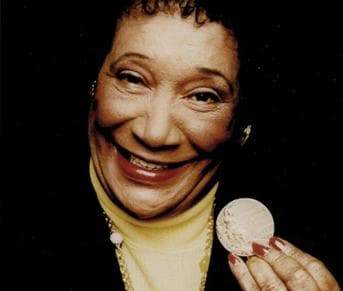
American · Sports
Alice Coachman
November 9, 1923 – July 14, 2014
Early Life and Background
Alice Coachman was born on November 9, 1923, in Albany, Georgia, USA. Growing up in the racially segregated South, she was denied access to training facilities and coaching due to her race and gender, yet she honed her athletic skills informally. Her natural talent was evident, and she was encouraged by supportive teachers who recognized her potential.
Career Beginnings and Development
Alice began her formal training when she enrolled at Tuskegee Institute in Alabama, a historically black college renowned for fostering talent. Here, under the guidance of Coach Cleve Abbott, she developed her skills further, specializing in the high jump and other track and field events. During World War II years, when the Olympics were on hold, she dominated the Amateur Athletic Union (AAU) competitions, winning ten consecutive national championships in the high jump from 1939 to 1948.
Major Accomplishments
Coachman's major breakthrough came in 1948, when she was selected to represent the United States at the London Olympics. On August 7th, she made history by clearing 1.68 meters in the high jump, becoming the first Black woman to win an Olympic gold medal. Her achievement was a source of pride and inspiration, breaking racial and gender barriers in sports during a time when such an accomplishment was nearly insurmountable.
Awards, Honors, and Recognition
Alice Coachman was celebrated upon her return to the United States, receiving a hero's welcome. She met President Harry S. Truman and was honored by First Lady Eleanor Roosevelt. Her athletic achievements not only garnered personal accolades but also paved the way for future generations of minority and female athletes.
Personal Life
Alice married Frank Davis and had two children, creating a loving family environment post her athletic career.
Legacy and Historical Impact
Coachman’s legacy is an enduring testament to resilience. She broke through racial and gender barriers, becoming a symbol of what it meant to fight and succeed against systemic adversity. Her trailblazing career inspired many young athletes, particularly African American women, to pursue their dreams irrespective of societal constraints.
Later Life and Death
After retiring from competition, Alice remained involved in athletics through her work with youth programs. She founded the Alice Coachman Track and Field Foundation, supporting young athletes. She passed away on July 14, 2014, leaving behind a rich legacy of achievement and inspiration.
Dated achievements
3 indexed.
- Nov091923Sports
Birth of Alice Coachman
Born in Albany, Georgia, marking the beginning of an historic life in athletics.
View details Alice Coachman - Wikipedia - Aug071948Sports
First African American woman to win an Olympic gold medal
Alice Coachman won gold in the high jump at the 1948 Olympics, breaking racial and gender barriers.