← All women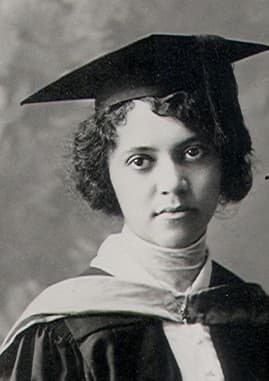
American · Science · Medicine
Alice Ball
July 24, 1892 – December 31, 1916
Early Life and Background
Alice Augusta Ball was born on July 24, 1892, in Seattle, Washington, into a middle-class family. Her parents, James Presley Ball Jr., a newspaper editor, and Laura Louise Ball, instilled a strong sense of education and values of perseverance in their children. Her grandfather was J.P. Ball, a famous African American photographer. Alice grew up in a time of racial segregation and overcame significant barriers to pursue her education.
Ball attended Seattle High School and excelled academically. She went on to study at the University of Washington, where she earned bachelor's degrees in pharmaceutical chemistry in 1912 and pharmacy in 1914. Her thesis on the chemical properties of plant substances was an early indicator of her scientific promise.
Career Beginnings and Development
After graduating, Ball secured a teaching position at the University of Hawaii. She became the first Black woman to graduate with a master's degree from the university. In her research, she focused on the medicinal properties of the chaulmoogra plant, a critical component in treating leprosy, which was then a pressing health issue.
Major Works and Discoveries
Ball's groundbreaking achievement was the development of the "Ball Method" – the first successful treatment for leprosy using the injectable chaulmoogra oil. This innovation involved isolating the active ingredients of the oil and making them water-soluble, hence usable as an effective injectable solution. This method vastly improved the treatment of leprosy, offering hope to patients around the world.
Awards, Honors, and Recognition
Although Alice Ball passed away young and did not receive appropriate recognition during her lifetime, her legacy was later honored by various commemorations including a day named "Alice Ball Day" on February 29, 2000, in Hawaii.
Legacy and Historical Impact
The impact of Ball's work on the treatment of leprosy was profound, and her approach became the standard treatment globally for decades. Her courage in conducting research in an era fraught with racial and gender barriers remains inspirational. She paved the way for future generations of scientists, particularly women of color, in scientific fields.
Later Life and Death
Ball’s promising career was tragically cut short when she died on December 31, 1916, at the age of 24 due to complications from inhalation of chlorine gas in a laboratory accident. Her contributions, discovered later, have positioned her as a key figure in both African American history and the history of medicine.
Dated achievements
1 indexed.
- Jul241892Science
Alice Ball's Birth
Alice Augusta Ball was born on July 24, 1892, in Seattle.
View details Wikipedia