← All women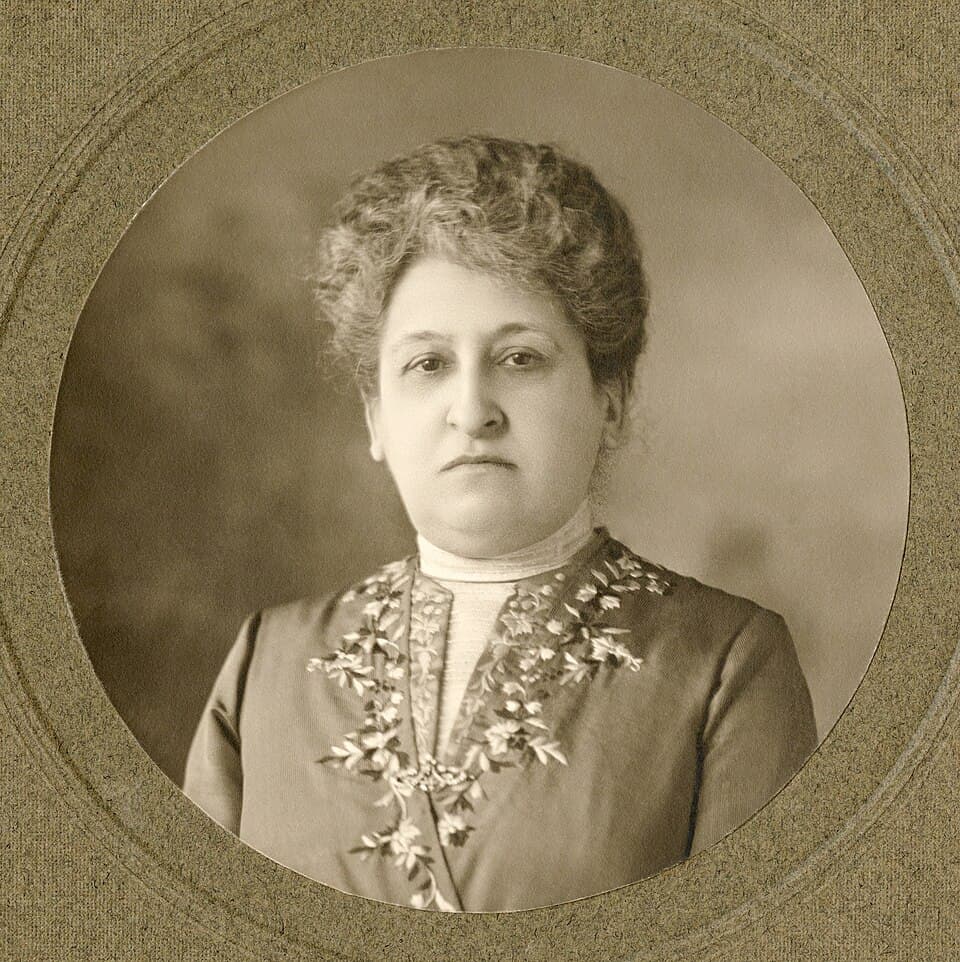
Dutch · Medicine · Activism · Politics
Aletta Jacobs
February 9, 1854 – August 10, 1929
Early Life and Background
Aletta Henriëtte Jacobs was born on February 9, 1854, in Sappemeer, Netherlands, to a family that held progressive views on education and gender equality. Her father, Abraham Jacobs, was a liberal Jewish physician who inspired Aletta’s early interest in medicine.
Encouraged by her parents, Aletta pursued her education with zeal, completing her secondary education at a time when girls were rarely allowed such opportunities. She was determined to advance further despite societal norms restricting women’s access to higher education.
Career Beginnings and Development
In 1871, Aletta Jacobs became the first woman to be admitted to a Dutch university when she entered the University of Groningen to study medicine. She graduated in 1879, earning her medical degree and making history as the first female physician in the Netherlands.
Jacobs opened a general medical practice in Amsterdam in 1880, where she focused on women's health issues, particularly the needs of working-class women. She introduced methods to improve female hygiene and collaborated on public health measures.
Major Works, Discoveries, or Accomplishments
Aside from her medical practice, Aletta Jacobs was a staunch advocate for women’s suffrage and reproductive rights. In 1882, she introduced free contraceptive advice for women, a controversial and radical step at the time. Jacobs also engaged in international movements for peace and suffrage, traveling and campaigning alongside other notable feminists.
Awards, Honors, and Recognition
Aletta’s groundbreaking work did not initially receive traditional accolades such as awards, given the era’s gender biases. However, her contributions to both medicine and women’s rights have been posthumously recognized, elevating her as a seminal figure in these fields.
Personal Life
In 1884, Aletta Jacobs married Carel Victor Gerritsen, a progressive publisher and politician who supported her work, making them a recognized social and intellectual partnership. They had a supportive marriage dedicated to societal reform, though they had no children.
Legacy and Historical Impact
Aletta Jacobs' legacy is vast. As a physician, she broke barriers for women in medicine. As a feminist, her advocacy for women's rights helped catalyze changes that many now take for granted in the Netherlands and globally. Her life’s work contributed significantly to the advancement of gender equality, in both healthcare and political representation.
Later Life and Death
In her later years, Jacobs continued to advocate fervently for peace and women’s rights, participating in various international congresses until her health began to decline. She died on August 10, 1929, in Baarn, Netherlands, leaving behind an indelible legacy of courage, determination, and trailblazing reforms.
Dated achievements
3 indexed.
- Feb091854Medicine
Aletta Jacobs Born
Aletta Henriëtte Jacobs was born on February 9, 1854, in Sappemeer, Netherlands.
View details Aletta Jacobs - Britannica - Mar081879Medicine
First Dutch Female Physician Graduates
In March 1879, Aletta Jacobs graduated from the University of Groningen as the first female physician in the Netherlands.