← All women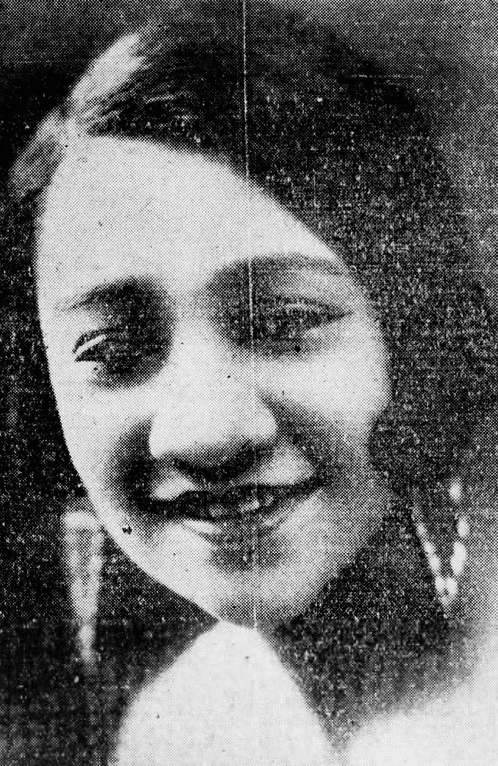
American · Arts · Activism
Alberta Hunter
April 1, 1895 – October 17, 1984
Early Life and Background
Alberta Hunter was born on April 1, 1895, in Memphis, Tennessee, into a world starkly divided by racial lines. As an African American girl in the post-Reconstruction South, she faced numerous societal hurdles. Her family life was tumultuous, and before she reached the age of adolescence, Hunter moved to Chicago, a city burgeoning with cultural and artistic potential, seeking better opportunities to improve her standing in society.
Career Beginnings and Development
Hunter's singing career began in Chicago's vibrant club scene in the early 1900s. She quickly became known for her powerful voice and charismatic stage presence. By 1915, she was performing at the prestigious Dreamland Ballroom in Chicago. Hunter's career reached new heights when she traveled to New York City, where she joined the popular black vaudeville circuit and performed at the legendary Apollo Theatre. Alberta became a recording star with hits such as "Downhearted Blues" gaining her an international following.
Major Works and Accomplishments
In the 1920s, Hunter's career flourished. Her song "Downhearted Blues,” co-written with Lovie Austin, became a hit in 1922, cementing her reputation as a leading blues artist. Throughout her career, she collaborated with notable musicians such as Louis Armstrong and Sidney Bechet. Hunter also toured Europe, where her music was highly appreciated, in part for its embodiment of African American experiences and emotions.
Awards, Honors, and Recognition
Although formal awards during her early career were sparse, her contributions to music were later recognized by peers and critics. Hunter's return to performing in her later years was celebrated, leading to an appearance in the 1978 film Remember My Name and a widely acclaimed performance at the Cookery in New York City, immortalizing her status as an enduring icon in jazz and blues.
Personal Life
While much of Hunter's early personal life remains obscured by the passage of time, her identity as a black woman in the early 20th century profoundly influenced her music. Hunter was also part of the LGBTQ+ community, an aspect of her life she kept private due to societal norms at the time.
Legacy and Historical Impact
Hunter’s legacy extends beyond her musical accomplishments. As one of the first black women to gain significant prominence in the American entertainment industry, she broke racial and gender norms, paving the way for future artists. Her enduring influence is evidenced in how her music remains celebrated in jazz and blues circles worldwide.
Later Life and Death
After retiring from music in the 1950s to become a nurse, a role she fulfilled for 20 years, Hunter returned to singing in a remarkable comeback in the late 1970s that revived her career until her death. She passed away on October 17, 1984, in New York City, leaving behind a profound musical legacy that continues to inspire artists today.
Dated achievements
2 indexed.
- Apr011895Science
Birth of Alberta Hunter in Memphis, Tennessee
Alberta Hunter was born on April 1, 1895, in Memphis, Tennessee, to a working-class African American family.
View details Alberta Hunter - Wikipedia - Oct261984Science
Death of Alberta Hunter in New York City
Alberta Hunter died on October 26, 1984, in New York City at age 89, closing out a remarkable dual career in music and nursing.