← All women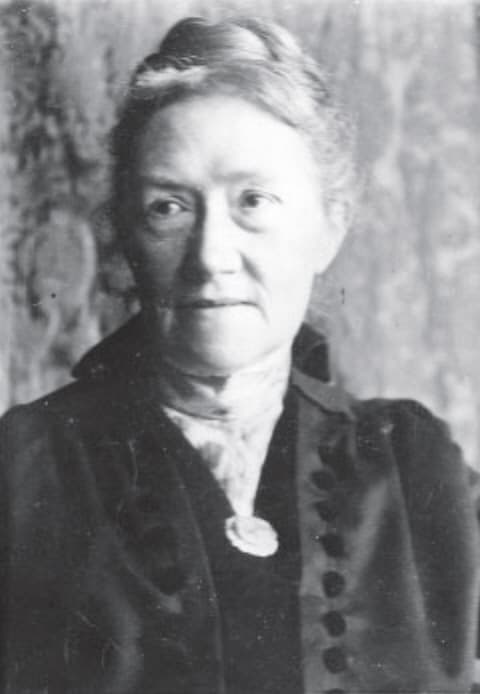
German · Science
Agnes Pockels
February 14, 1862 – November 21, 1935
Early Life and Background
Agnes Luise Wilhelmine Pockels was born on February 14, 1862, in Venice, which at that time was part of the Austrian Empire. She was the daughter of Theodor Pockels, an officer in the Austrian army, and his wife Alwine Becker. The family moved to Germany after her father's retirement. Agnes grew up in a household that valued learning and scientific inquiry, and she was particularly close to her brother, Friedrich Carl Alwin Pockels, who became a prominent physicist.
Career Beginnings and Development
Pockels was largely self-taught, having been denied the opportunity to attend university due to the restrictions on women’s higher education in her era. Despite these barriers, she developed a keen interest in physics and chemistry. Observing the behavior of water on dishes, she began experimenting with and studying the science of surface tension in her own kitchen.
Major Works, Discoveries, or Accomplishments
Agnes Pockels is best known for her pioneering work in the field of surface science. She invented a device to measure the surface tension of liquids, which eventually became known as the Pockels Trough. In 1891, she published her findings in the scientific journal Naturwissenschaften, thanks to the help of Lord Rayleigh, a prominent scientist who recognized the significance of her work. Her paper detailed her method for measuring surface tension and its implications, contributing significantly to the field of colloid and interface science.
Awards, Honors, and Recognition
Despite her lack of formal educational credentials, Pockels received widespread recognition for her contributions to surface science. Throughout her career, she communicated with major scientists in the field and was admitted to scientific societies that recognized her groundbreaking insights.
Personal Life
Agnes Pockels led a largely private life focused on her scientific pursuits. She never married and continued to live with her family, where she remained deeply committed to her brother's care and her scientific research.
Legacy and Historical Impact
Pockels' work laid the groundwork for later scientific research in surface science, influencing fields such as chemistry, materials science, and physics. Her ability to make significant scientific contributions despite societal constraints on women set a precedent for future women in science.
Later Life and Death
Agnes Pockels continued her scientific endeavors until her later years, maintaining correspondence with several notable scientists. She passed away on November 21, 1935, leaving behind a legacy of scientific innovation and perseverance.
Dated achievements
2 indexed.
- Feb141862Science
Birth of Agnes Pockels
Agnes Pockels was born on February 14, 1862.
View details Agnes Pockels - Wikipedia - Nov211935