← All women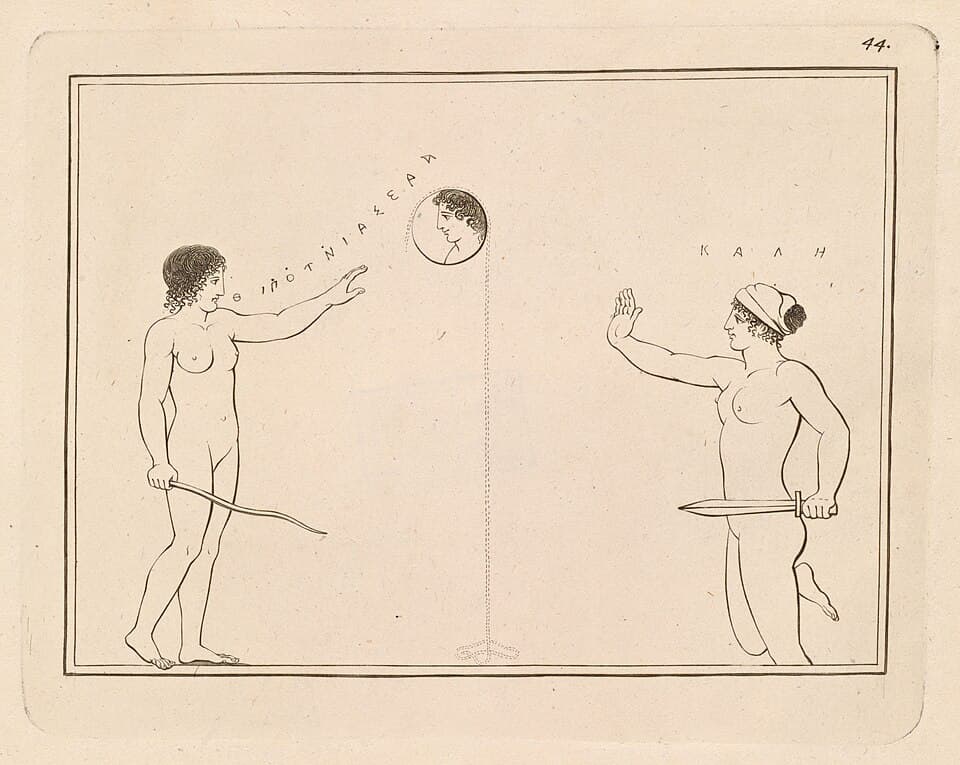
Ancient Greek · Science
Aganice
Unknown – present
Early Life and Background
Aglaonice, also known as Aganice, is a figure shrouded in the mysteries of the ancient world. Believed to have lived around the 2nd or 1st century BCE, she was a Greek astronomer from Thessaly. Her father's name is recorded as Hegetor, although very little is known about her family or formative education due to the scant references in historical texts.
Career Beginnings and Development
Aglaonice's reputation emerged largely from her knowledge of celestial events, particularly her ability to predict lunar eclipses. This skill was so profound that it led some contemporaries to view her with suspicion, attributing her knowledge to sorcery. In ancient Greek society, such perceptions were not uncommon for women who exhibited exceptional skills beyond societal norms.
Major Works, Discoveries, or Accomplishments
Aglaonice's most significant contributions were in the field of astronomy, where she was recognized for her accurate predictions of lunar eclipses. Ancient sources such as Plutarch mentioned her in connection with her scientific prowess, though specific texts or treatises by her do not survive. Her work likely contributed to the understanding and demystification of lunar events, setting a precedent for future astronomical studies.
Legacy and Historical Impact
Despite the limited documentation, Aglaonice is often remembered as one of the earliest female astronomers in recorded history. Her incorporation into later Greek myth and legend, such as inclusion among the Thessalian witches who could 'bring down the moon', underscores her lasting impression on cultural narratives. Her ability to predict eclipses challenged the gender norms of her time, asserting the intellectual capacity of women in fields dominated by men.
Later Life and Death
The details of Aglaonice's later life and death remain unknown, as the historical record provides no conclusive evidence about her demise or subsequent influence in the immediate generations that followed.
Dated achievements
0 indexed.