← All women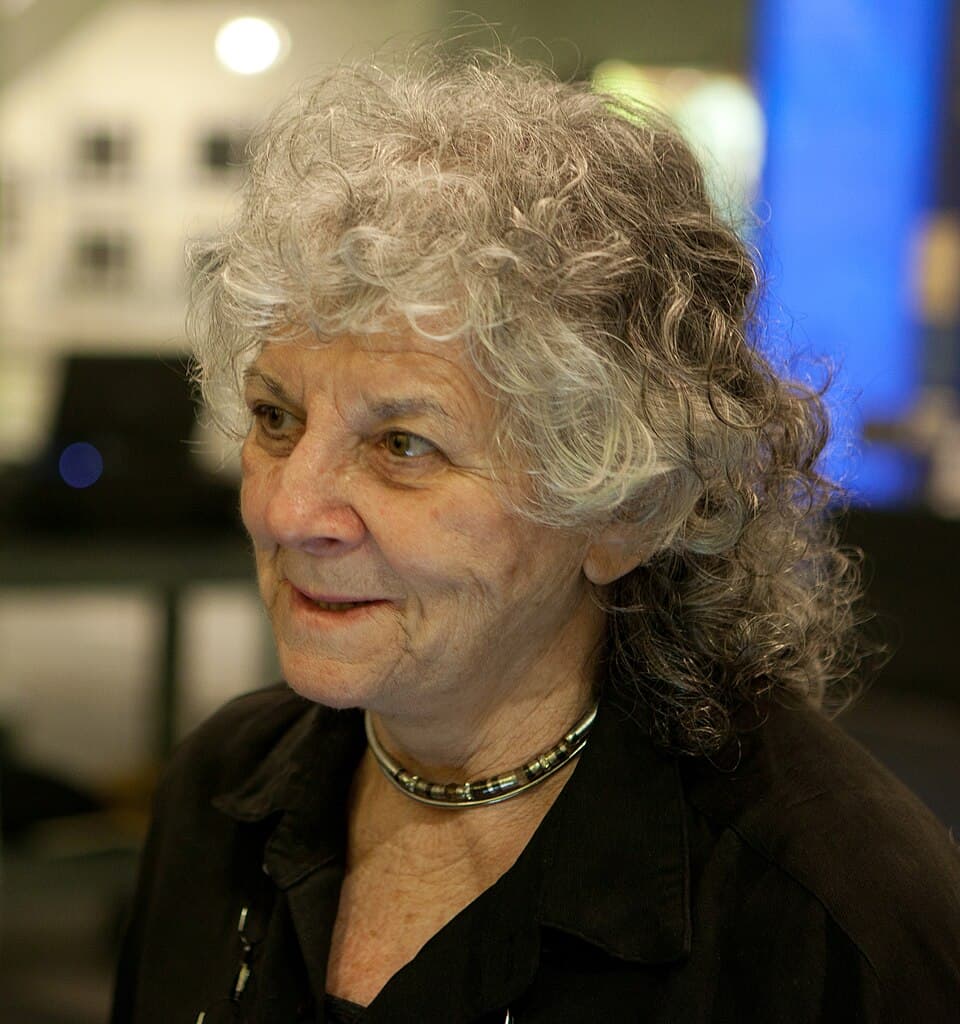
Israeli · Science
Ada Yonath
June 22, 1939 – present
Early Life and Background
Ada Yonath was born on June 22, 1939, in Jerusalem, during the British Mandate of Palestine. Her parents were Hillel and Esther Yonath, who had immigrated from Poland. Despite financial hardships, Yonath's family emphasized education, laying the groundwork for her future academic achievements. Her interest in science was kindled early, often feeding her curiosity through experiments conducted at home.
Education and Early Career
Yonath attended the Hebrew University of Jerusalem, where she earned her bachelor's degree in chemistry in 1962, and went on to receive her master's in biochemistry in 1964. She completed her PhD in X-ray crystallography at the Weizmann Institute of Science in 1968, focusing her research on nucleic acids. After her doctoral studies, she conducted postdoctoral work at Carnegie Mellon University and MIT, where she further honed her skills in structural biology.
Career and Scientific Accomplishments
Returning to the Weizmann Institute in the 1970s, Yonath began pioneering studies into the ribosome, a critical cellular component responsible for protein synthesis. Her determination to unveil the ribosome's structure was bolstered by her persistent application of X-ray crystallography. Yonath innovated a specialized technique known as cryo-crystallography, which was pivotal in successfully freezing ribosomes to obtain their structure. This monumental work led to her recognition globally as a leading authority in structural biology.
The peak of her scientific career came when she elucidated the ribosome’s structure, which has profound implications for understanding antibiotic resistance. In 2000, her team's efforts at the Weizmann Institute led to groundbreaking revelations of ribosomal structures via crystallization.
Awards and Accomplishments
Yonath's contributions to science were internationally acknowledged when she was awarded the Nobel Prize in Chemistry in 2009, making her the first Israeli woman to receive this honor. She shared the prize with Venkatraman Ramakrishnan and Thomas A. Steitz, both of whom independently contributed to the research on ribosomes. Her recognition underpinned years of diligent research and is viewed as an essential link in the chain of molecular biology advancements.
Personal Life
Although much of Yonath's life is characterized by her scientific pursuits, she has spoken about her interests outside of science, including her love for classical music. She has been noted for her spirit of perseverance and drive, often portraying herself as a beacon for aspiring scientists globally.
Legacy and Impact
Yonath has advanced the field of structural biology substantially through her notable discoveries. The Yona Group at the Weizmann Institute continues to push boundaries in ribosomal research, further cementing her pioneering role in the scientific community. Her journey is celebrated for exemplifying dedication and determination against the traditional barriers that women face in scientific disciplines.
Later Life
In her later years, Yonath has remained active in scientific dialogues and education, frequently participating in international conferences and forums to inspire new generations while contributing her profound expertise to ongoing research challenges.
Dated achievements
2 indexed.
- Jun221939Science
Birth of Ada Yonath
Ada Yonath was born in Jerusalem on June 22, 1939.
View details Nobel Prize - Ada Yonath Facts - Oct072009Science
Awarded Nobel Prize in Chemistry
Ada Yonath was awarded the Nobel Prize in Chemistry on October 7, 2009, for her work on ribosomes.
View details