← All women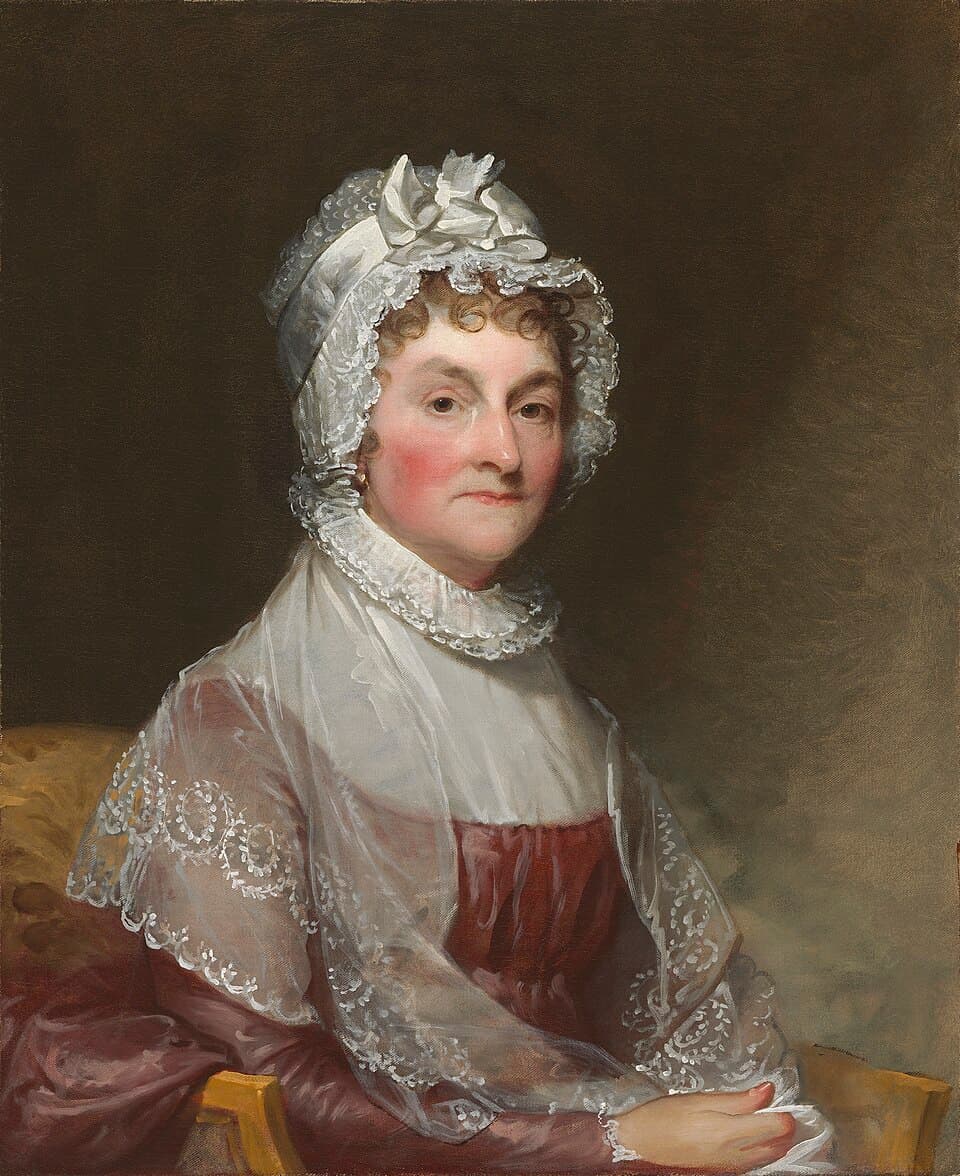
American · Politics · Activism
Abigail Adams
November 11, 1744 – October 28, 1818
Early Life and Background
Abigail Adams was born Abigail Smith on November 11, 1744, in Weymouth, Massachusetts. Her parents were Reverend William Smith and Elizabeth Quincy Smith. Raised in a well-connected and educated family, Abigail was influenced by the political and social ideas of the time, although she did not receive formal schooling due to the limited educational opportunities for women. Despite this, she was an avid reader with a keen interest in philosophy, theology, Shakespeare, and classic literature, which prepared her for the prominent role she would later play in American history.
Marriage and Family
On October 25, 1764, Abigail married John Adams, a young lawyer. Their marriage was a partnership of intellectual equals, fostering a unique collaboration that provided insight and counsel during John's political career. Together they had six children, including future president John Quincy Adams. Her role as wife and mother was profoundly challenged by the era's expectations and the frequent separations necessitated by her husband's political duties.
Political Involvement and Advocacy
Abigail Adams is perhaps most famous for her extensive correspondence with her husband, in which she expressed her views on political matters and advocated for women's rights. This included the famous "Remember the Ladies" letter in 1776, where she implored John to consider women's rights in the new American laws. She is recognized as one of the earliest American advocates for women’s equal rights, education, and abolition of slavery.
Role as First and Second Lady
From 1789 to 1797, while John Adams served as Vice President under George Washington, Abigail held an unofficial role as "second lady," where she shaped the position with her active participation in political dialogue. Her influence continued when she became First Lady from 1797 to 1801. She advised her husband during his presidency, which coincided with complex international and domestic challenges, such as the alien and sedition acts.
Inauguration as First Lady in the White House
On November 16, 1800, Abigail made history as the first First Lady to live in the White House in Washington, D.C. She moved into the unfinished mansion, demonstrating resilience in adapting to newly established surroundings. This marked a significant moment in the history of the American presidency and the progression of women’s recognized place within it.
Later Life and Death
After John's presidency, Abigail retired to Quincy, Massachusetts, where she continued to write and correspond with prominent figures of the era. She remained an influential figure through her writings and example until her death on October 28, 1818, from typhoid fever. Her final resting place is the family crypt at the United First Parish Church in Quincy.
Legacy
Abigail Adams is remembered as a pioneering figure for women’s rights in the United States. Her letters offer a keen insight into the early years of the Republic and the nascent role women played in shaping its politics. She stands as an enduring symbol of advocacy for women’s education and equality. Abigail Adams’ legacy is not only captured in her writings but also in the example she set for women to engage with civic and political life, creating a foundation that would support later reform and advocacy movements.
Dated achievements
5 indexed.
- Nov111744Politics
Birth of Abigail Smith (later Adams)
Abigail Smith (later Abigail Adams) was born in Weymouth, Massachusetts.
View details Massachusetts Historical Society - Remember Abigail - Oct251764Politics
Marriage to John Adams
Abigail Smith married John Adams, a lawyer, on October 25, 1764.
View details